
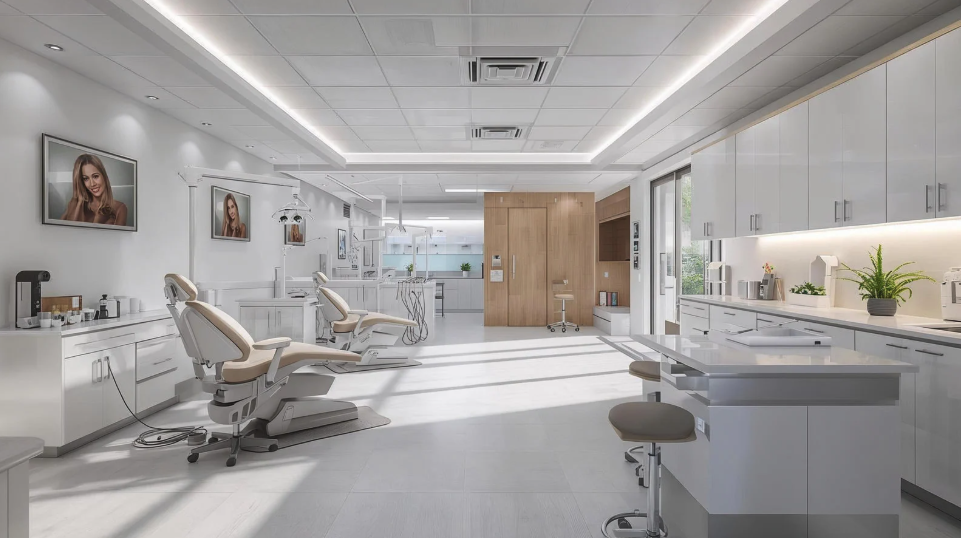
Modern dentistry has evolved beyond standard treatments to focus on individualized care that addresses the unique needs of every patient. Professional dental clinics carefully analyze oral health conditions, lifestyle factors, and aesthetic preferences before recommending treatments. This patient-centered approach ensures that dental care not only improves oral health but also enhances long-term comfort and confidence. Many individuals seeking care from a trusted dental clinic in Springboro benefit from personalized treatment plans that are specifically designed to address their oral health goals. By combining clinical expertise with modern diagnostic tools, dental professionals create strategies that deliver more precise and effective outcomes for each patient.
Comprehensive Evaluation and Diagnosis
Personalized treatment begins with a detailed evaluation of the patient’s dental health. Professional dental clinics perform thorough examinations that may include digital imaging, oral health assessments, and discussions about medical history. This process allows dental professionals to understand the condition of the teeth, gums, and jaw before recommending any procedure. Through careful diagnosis, dentists can identify underlying concerns such as alignment issues, tooth wear, or gum health conditions. By gaining a complete understanding of these factors, the clinic can develop a treatment approach that addresses both current dental concerns and long-term oral health goals.
Understanding Patient Goals and Lifestyle
A key aspect of personalized dental care involves understanding the patient’s expectations and lifestyle. Some patients may prioritize cosmetic improvements while others may focus on restorative treatments that improve function. Dental professionals take time to discuss these preferences so that the treatment plan aligns with the patient’s priorities. Lifestyle factors such as diet habits, oral hygiene routines, and daily schedules also play an important role in shaping treatment recommendations. By considering these elements, dental clinics create plans that are realistic, sustainable, and suitable for each individual’s daily life.
Integration of Advanced Dental Technology
Modern dental clinics rely on advanced technology to design more accurate treatment plans. Digital scans, imaging systems, and computer-assisted diagnostics help dentists evaluate oral structures in greater detail. These tools allow professionals to detect dental concerns earlier and recommend more precise treatment strategies. The growing influence of innovation in dentistry is evident in discussions about how modern technology is revolutionizing the field, enabling professionals to improve accuracy and patient outcomes. These technological advancements enable dentists to create treatment plans that are both efficient and tailored to each patient’s unique dental structure.
Customized Treatment Options
Once a detailed evaluation is completed, dental professionals develop customized treatment options that address the patient’s specific needs. This may involve combining multiple services such as cosmetic treatments, restorative procedures, and preventive care strategies. Each component of the plan is carefully selected to deliver balanced and long-lasting results. Dentists also explain how each procedure contributes to the overall goal of improving oral health and appearance. By providing clear explanations and professional guidance, clinics help patients feel informed and confident about the treatments included in their personalized plan.
Continuous Monitoring and Adjustments
Personalized dental treatment does not end once the initial procedures are completed. Professional clinics continue to monitor patient progress through follow-up visits and routine dental assessments. These appointments allow dentists to track improvements and ensure that the treatment plan delivers the expected results. If adjustments are required, the dental team can refine the treatment approach to better suit the patient’s evolving oral health needs. This continuous monitoring ensures that patients receive consistent care that adapts to their long-term dental health goals.
Conclusion
Personalized treatment planning is a fundamental part of modern dental care. Professional dental clinics take a comprehensive approach that includes detailed diagnosis, patient discussions, advanced technology, and customized treatment strategies. This method ensures that every patient receives care tailored to their specific oral health needs. By focusing on individualized attention and professional expertise, dental clinics can provide treatments that improve both oral function and smile appearance. The result is a more effective and comfortable dental experience that supports lasting oral health and patient confidence.