
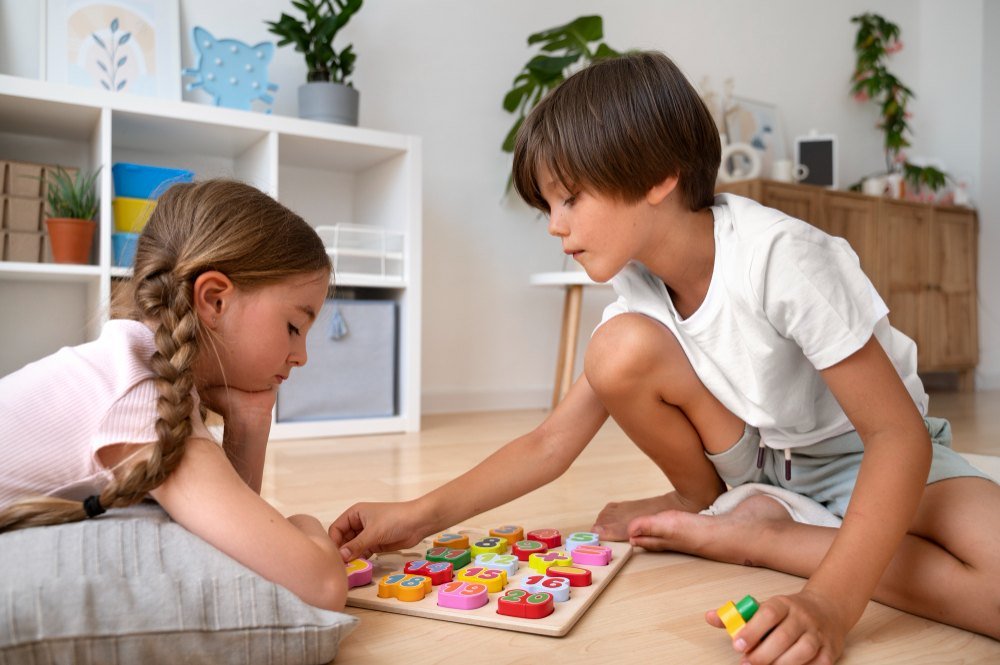
Children learn faster when they play. Games help them explore ideas, build skills, and understand the world with excitement. Entertaining Children Cwbiancaparenting focuses on simple and effective games that support early learning without pressure. These games keep children active, curious, and involved. Early learning becomes enjoyable when children use their senses, imagination, and movement to understand new concepts.
This guide explains different types of games that support cognitive skills, language growth, emotional development, and motor skills. Each game remains easy to set up and safe for young children.
Why Early Learning Through Games Matters?
Children understand better when they touch, move, and experiment. Games turn learning into fun activities. They help children remember lessons because the experience feels joyful. Entertaining Children Cwbiancaparenting encourages parents to use games because they build confidence, creativity, and problem solving skills.
Games also strengthen parent child bonding. When you play with your child, you give them attention and comfort, which supports emotional security.
Games That Build Cognitive Skills
Cognitive skills help children think clearly, recognise patterns, and solve problems. These skills develop through simple games that encourage observation, matching, or sorting.
Matching Cards
Use picture cards. Ask children to match images. This improves memory and focus.
Sorting Objects
Give different items like blocks, buttons, or toys. Ask children to sort by size, shape, or color. Sorting improves reasoning skills.
Puzzle Boards
Choose simple puzzles. Children learn how parts fit together. Puzzles build problem solving ability and patience.
Entertaining Children Cwbiancaparenting recommends these games because they strengthen thinking skills at an early age.
Games That Improve Language Development
Language grows through conversation, listening, and storytelling. Simple games help children express thoughts and understand new words.
Picture Naming
Show pictures and ask children to name them. This expands vocabulary.
Story Chain
Start a short story. Ask your child to add the next part. This helps them build sentences and use imagination.
Object Hunt
Hide objects and ask children to find them based on verbal clues. This improves listening skills.
Language games help children communicate with confidence. They also support school readiness.
Games That Strengthen Motor Skills
Motor skills help children move with better control. Games that involve coordination, balance, and movement support strong physical development.
Ball Rolling
Sit across from your child and roll a ball back and forth. This helps hand eye coordination.
Hop and Jump
Create small targets on the floor. Ask children to hop from one shape to another. This builds balance and leg strength.
Threading Beads
Give children large beads and a string. Threading improves finger control and fine motor skills.
Entertaining Children Cwbiancaparenting highlights motor skill games because physical development supports healthy growth.
Games That Boost Emotional Skills
Children learn emotions through interaction. Games help them understand feelings, express needs, and build empathy.
Emotion Cards
Show cards with different faces. Ask children to point to the happy face, sad face, or surprised face. This helps emotional recognition.
Role Play
Pretend to be teachers, doctors, or shopkeepers. Children learn communication, sharing, and problem solving.
Cooperative Games
Play games that require teamwork. This helps children understand cooperation and patience.
Games That Encourage Creativity
Creative games help children imagine new ideas. Creativity supports problem solving and confidence.
Drawing Games
Give paper and crayons. Ask children to draw animals or shapes. Drawing builds creative thinking.
Build and Play
Use blocks or simple household items to build towers or shapes. Building helps children explore ideas and test solutions.
Music Movement
Play soft music and ask children to move in different ways. This improves rhythm sense and self expression.
Entertaining Children Cwbiancaparenting supports creativity games because they help children think independently.
Games That Teach Basic Math
Math begins with simple concepts like counting, shapes, and comparison. Children understand these ideas well through play.
Counting Toys
Give toys and ask children to count them. Counting improves number recall.
Shape Hunt
Show children a circle, square, and triangle. Ask them to find objects that match these shapes.
Size Comparison
Place objects side by side and ask children which one is bigger or smaller. This builds early math reasoning.
Games That Improve Focus and Attention
Focus helps children listen better and complete tasks. Games that require attention help strengthen concentration.
Freeze Game
Play music. Ask children to freeze when the music stops. This improves control and focus.
Memory Game
Place items on a tray. Let your child observe. Then cover the tray and ask them to recall the items.
Follow the Leader
Perform actions and ask your child to copy. This builds attention and listening skills.
Games That Support Social Skills
Children learn social skills through interaction. Social games help them share, take turns, and follow simple rules.
Pass the Toy
Sit in a circle. Pass a toy around. This teaches turn taking.
Group Story
Create a story as a group. Each person adds one line. This improves communication and teamwork.
Simple Board Games
Choose age appropriate games with easy rules. Children learn cooperation and patience.
How Parents Can Support Learning Through Play
Parents play an important role. You guide your child without making the game stressful. Play with patience. Give encouragement. Do not rush them. Allow mistakes. Mistakes help learning.
Entertaining Children Cwbiancaparenting teaches parents to support rather than control the play process.
Keep Games Age Appropriate
Choose games that match your child’s ability. Difficult games cause frustration. Very easy games reduce interest. Pick the right level to match your child’s growth.
Make Playtime Part of the Daily Routine
Short and regular play sessions work better than long activities. Ten to fifteen minutes daily helps children learn consistently.
Combine Indoor and Outdoor Games
Outdoor play improves physical strength and awareness. Indoors helps focus and calm activities. A mix creates balanced development.
Celebrate Small Achievements
Children grow faster with positive feedback. Celebrate tiny wins like naming a color or completing a simple puzzle.
Frequently Asked Questions
How does Entertaining Children Cwbiancaparenting support early learning?
Entertaining Children Cwbiancaparenting provides games and ideas that help children develop thinking, language, motor, and social skills. The platform keeps learning simple and enjoyable for both parents and children.
What types of games work best for early learning?
Games that involve matching, sorting, counting, simple movement, storytelling, and imagination work best. These games help children understand concepts easily.
How long should kids play each day for learning benefits?
Ten to twenty minutes of focused play each day is enough for strong learning. Children learn better through short, consistent sessions.
Why are movement games important?
Movement games build coordination, balance, and physical strength. They help children gain control over their body and develop healthy motor skills.
How do games improve language development?
Games encourage children to talk, listen, and respond. Activities like picture naming and storytelling help them learn new words and express ideas clearly.
How can parents make learning fun?
Parents can use simple materials, play with patience, give small challenges, and offer positive feedback. Fun learning helps children stay motivated.