
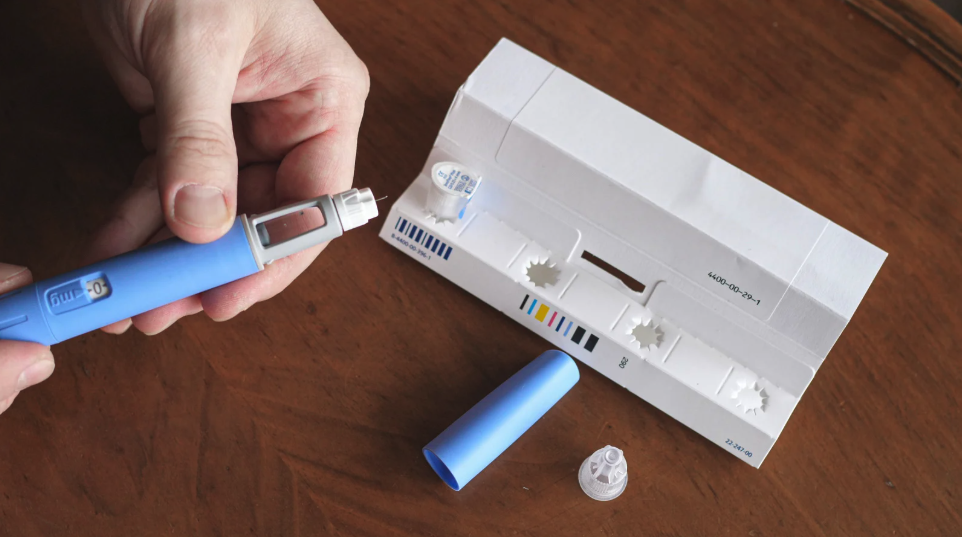
Testosterone plays a vital role in maintaining energy levels, muscle strength, mood balance, and overall health in men. As hormone levels naturally decline with age, some individuals may begin experiencing noticeable physical and emotional changes. These symptoms can sometimes interfere with daily performance, motivation, and general wellbeing. When these signs become persistent, medical evaluation may be necessary to determine the underlying cause. Many individuals experiencing these concerns explore TRT therapy in Lakeland as part of a medically supervised approach to restoring hormonal balance and improving quality of life.
Understanding the Impact of Low Testosterone
Low testosterone can affect multiple systems within the body. Because hormones influence energy production, metabolism, and cognitive function, a deficiency may present through several noticeable symptoms.
Persistent Fatigue and Reduced Energy
One of the most commonly reported symptoms of low testosterone is ongoing fatigue. Individuals may feel consistently tired even after adequate rest. This type of exhaustion often affects productivity and motivation throughout the day.
Reduced hormone levels can also impact physical stamina, making regular activities feel more demanding than usual. Over time, this lack of energy may interfere with exercise routines, work performance, and general daily functioning.
Medical professionals typically conduct blood tests to determine hormone levels and identify whether fatigue is connected to testosterone deficiency. Understanding these patterns allows healthcare providers to recommend appropriate treatment strategies.
Decreased Muscle Mass and Physical Strength
Testosterone plays a major role in maintaining muscle mass and physical strength. When levels decline, some individuals may notice gradual reductions in muscle tone despite maintaining their usual activity levels.
In addition to changes in muscle composition, individuals may also experience increased body fat accumulation. These shifts in body composition can affect metabolism and overall physical performance. With professional evaluation, healthcare providers can determine whether a hormonal imbalance contributes to these changes and develop a suitable treatment plan.
Emotional and Cognitive Changes Linked to Hormonal Imbalance
Hormones influence not only physical health but also emotional and mental wellbeing. Changes in testosterone levels can sometimes lead to noticeable shifts in mood and cognitive function.
Mood Fluctuations and Irritability
Low testosterone may contribute to increased irritability, mood swings, or a general decline in emotional stability. Some individuals report feeling less motivated or experiencing a reduced sense of confidence and enthusiasm.
These emotional changes can affect both personal and professional interactions. Healthcare providers often assess mood-related symptoms during hormone evaluations to determine whether they are linked to underlying hormonal imbalances.
Difficulty Concentrating or Reduced Mental Clarity
Cognitive performance may also be affected by declining hormone levels. Some individuals experience difficulty concentrating, memory challenges, or reduced mental sharpness. These changes can impact daily tasks, work performance, and overall mental focus.
During clinical evaluations, physicians may consider hormone testing alongside other health indicators. Discussions about understanding what testosterone levels qualify for TRT diagnosis and treatment options often arise when determining whether symptoms are related to hormone deficiency and what treatment approaches may be appropriate.
Changes in Libido and Physical Wellness
Testosterone is closely connected to reproductive health and overall vitality. When levels decrease significantly, individuals may notice changes in several aspects of physical wellbeing.
Reduced Libido and Sexual Health Concerns
A decline in testosterone levels can lead to a noticeable reduction in sexual desire. Some individuals may also experience changes in performance or overall sexual health.
These symptoms are often one of the primary reasons individuals seek medical consultation. Through proper evaluation and testing, healthcare providers can determine whether a hormone imbalance is contributing to these concerns.
Sleep Disturbances and Reduced Recovery
Hormonal imbalance may also affect sleep patterns. Some individuals report difficulty maintaining restful sleep or experiencing irregular sleep cycles. Poor sleep can further contribute to fatigue, mood changes, and reduced physical recovery.
Medical professionals often evaluate sleep quality when assessing hormone-related symptoms, as proper rest plays a significant role in overall hormonal regulation.
Conclusion
Low testosterone can influence multiple aspects of physical and emotional health, including energy levels, muscle strength, mood stability, and cognitive performance. Recognizing these symptoms early allows individuals to seek professional evaluation and determine whether a hormone imbalance may be contributing to their concerns. With proper medical assessment and carefully monitored treatment plans, individuals can work toward restoring balance and improving overall wellbeing.