
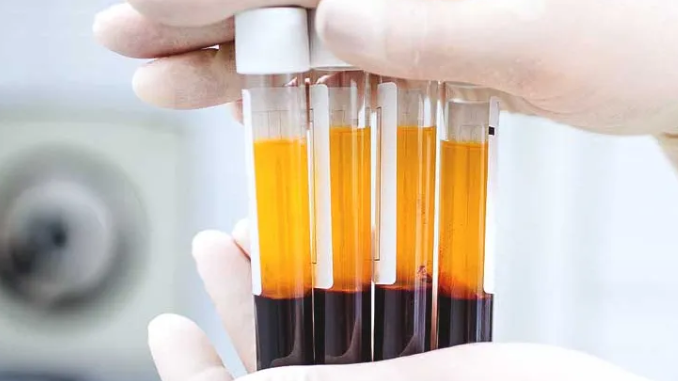
Regenerative medicine has introduced innovative treatments that focus on repairing damaged tissues rather than simply managing symptoms. Platelet-based therapies are among the most advanced approaches used to support the body’s natural healing processes. Many individuals experiencing long-term musculoskeletal discomfort or slow-healing injuries explore treatments such as TruDose PRP in Davie, FL, as part of a professional regenerative care plan. Understanding who may benefit most from this type of therapy can help clarify how PRP-based regenerative treatments support tissue repair and improved mobility.
Individuals Experiencing Chronic Musculoskeletal Pain
One group that may benefit from regenerative therapy includes individuals dealing with persistent musculoskeletal discomfort. Chronic pain can develop when tissues such as tendons, ligaments, or joints fail to fully recover after injury or prolonged strain. Over time, this incomplete healing process may lead to recurring inflammation, stiffness, and reduced mobility. Regenerative treatments aim to stimulate the body’s natural repair mechanisms so that damaged tissues can rebuild and regain strength. Patients who experience long-lasting discomfort in areas such as the shoulders, knees, hips, or lower back often seek regenerative therapies because these treatments focus on improving tissue health rather than temporarily reducing symptoms.
Patients Recovering from Sports-Related Injuries
Athletes and physically active individuals frequently place repeated stress on their muscles and joints. This repetitive strain can lead to injuries that affect tendons, ligaments, or connective tissues. When injuries do not fully heal, they can limit performance and increase the risk of further damage. Regenerative therapies help support recovery by encouraging the body to repair injured structures at a cellular level. PRP-based treatments can assist in strengthening damaged tissues and restoring stability to affected areas. For athletes, this improved tissue function can help support safer movement and reduce the likelihood of ongoing injury related discomfort.
Individuals with Slow Healing Tendon or Ligament Injuries
Tendons and ligaments often heal more slowly than other tissues in the body because they receive limited blood circulation. As a result, injuries affecting these structures may take longer to recover and may remain vulnerable to reinjury. Regenerative therapies help address this challenge by delivering concentrated healing signals directly to the damaged tissue. The growth factors contained within platelet therapy encourage cellular repair and promote the rebuilding of weakened connective tissues.
By stimulating the healing process in areas with limited circulation, PRP-based treatments can support more effective recovery for individuals experiencing persistent tendon or ligament injuries. Understanding the difference between TruDose PRP and standard PRP can also help explain how advanced regenerative techniques deliver more controlled and precise concentrations of platelets during treatment.
Individuals Seeking Non-Surgical Treatment Options
Some individuals prefer treatment approaches that focus on supporting the body’s natural healing ability before considering more invasive procedures. Regenerative medicine offers options designed to repair tissue damage while minimizing disruption to surrounding structures. PRP-based regenerative therapy works by enhancing the body’s own biological healing signals. When these signals are concentrated and delivered to the injured area, they stimulate the cells responsible for rebuilding damaged tissues. Patients who are exploring non-surgical treatment options often consider regenerative therapies as part of a comprehensive care strategy aimed at improving tissue function and reducing ongoing discomfort.
Individuals with Early Joint Degeneration
Joint degeneration can occur gradually as cartilage and connective tissues experience wear over time. Early stages of joint degeneration may involve stiffness, discomfort, or reduced flexibility during movement. Regenerative treatments aim to support joint health by encouraging tissue repair and reducing inflammatory activity within the affected area. By strengthening surrounding tissues and supporting the repair of damaged structures, regenerative therapies may help improve joint stability and mobility.
Conclusion
TruDose PRP-based regenerative treatments are designed to support the body’s natural healing processes and improve the recovery of damaged tissues. Ideal candidates often include individuals experiencing chronic musculoskeletal pain, athletes recovering from injuries, patients with slow-healing connective tissue damage, and those seeking non-surgical treatment options. By stimulating cellular repair and encouraging tissue regeneration, PRP-based therapies focus on restoring strength, mobility, and long-term tissue health within the musculoskeletal system.